


24 Feb 2026

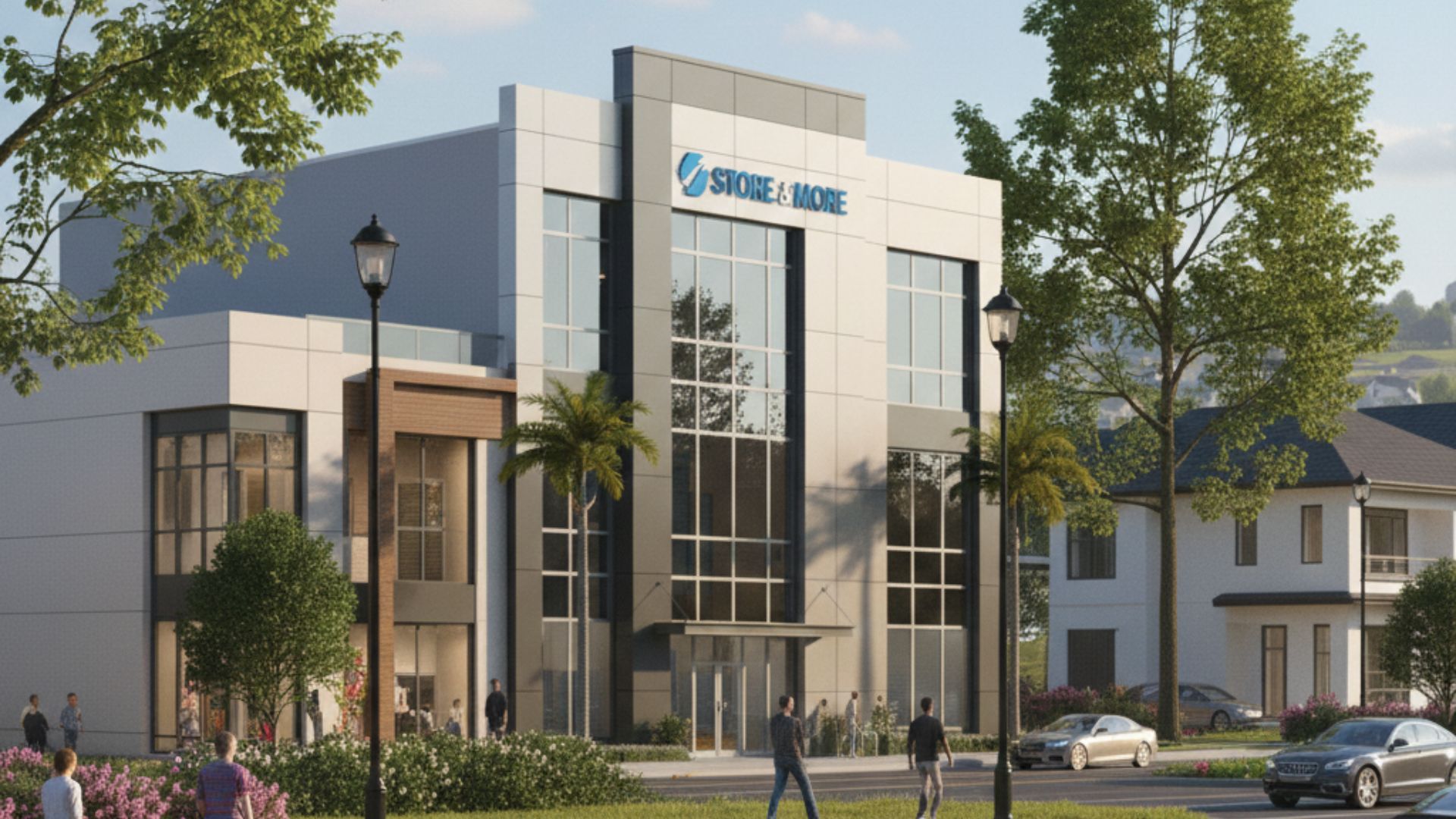
The idea of a completely "man-less" self-storage facility generating pure residual income is appealing. Recently, I read a social media post from an owner who claimed to operate a self-storage facility three states away with no manager, no staff, and no hands-on involvement, all while producing 100% residual income.
It is an attractive narrative. It is also one that deserves closer examination.
The real question is not whether remote management and automation have a place in self-storage; they absolutely do. The real question is how much work is actually being done, and by whom, before an operation can honestly be described as residual income.
At its core, a self-storage facility is a physical asset. Regardless of how advanced the technology is, certain tasks do not disappear simply because the office is unmanned.
For example:
These tasks exist whether a facility is manned or not.
In my experience, there are only two realistic explanations for how these items get handled at a so-called man-less facility. Either a third-party management company is doing the work, or the owner is doing it themselves. If it is the latter, then the operation may be partially remote — but it is not truly residual.
There are situations where an unmanned or lightly staffed facility can work. Very small facilities with limited unit counts, modest revenue expectations, or owners seeking side income may be able to manage tasks periodically, once a week, or even once a month without significant strain.
In those cases, the economics may support automation and minimal staffing.
The challenge arises when this model is applied to medium and larger facilities, typically in the 40,000 to 60,000-plus net rentable square-foot range or greater.
As facility size increases, the operational workload increases right alongside it. Delinquencies take longer to resolve. Maintenance becomes more frequent. Marketing matters more. Customer interactions increase, and so do the consequences of missed opportunities.
As an owner of multiple medium-sized self-storage facilities, I estimate that operating a facility, excluding leasing, payments, and customer service, requires a minimum of 16 plus hours per week.
That time does not disappear with automation.
When a full-time on-site manager works 10:00 a.m. to 5:00 p.m., Monday through Friday (35 hours per week), the owner is effectively paying for only 19 more hours for 35 hours of on-site coverage. The return on that investment is significant.
There are two major advantages to having a manager on site as facility size increases.
First, it dramatically reduces owner involvement.
In most cases, owner time drops from roughly 16 hours per week to closer to four. That is the difference between owning a job and owning a business.
Second, it drives revenue.
On-site managers improve customer service, follow up on leads, and actively market the facility. That extra attention allows owners to charge premium rates that simply are not achievable in a fully unmanned environment.
We routinely see prospects visit a facility several days before needing a facility. The majority choose to rent with us because of the interaction with the on-site manager. Without that human connection, you will be sending many of those renters to visit the competition.
Technology and automation are powerful tools, but they are most effective when paired with human oversight. The most successful facilities do not eliminate managers; they leverage technology, marketing, and systems to make managers more productive and more revenue focused.
Our preferred approach is to have an office open seven days a week until the facility reaches stabilization, then close on Sundays. From there, owners can determine whether a five-, six-, or seven-day schedule best fits their market and goals.
Man-less facilities are not a myth, but they are often misunderstood. As facilities grow, the work does not go away. Someone is always doing it.
The difference between a modest, remotely managed facility and a high-performing self-storage business often comes down to one thing: having the right person on site to protect the asset, serve customers, and maximize revenue.
At scale, a great manager is not an expense. They are a force multiplier.
As CEO of Storage Authority Franchising, Marc Goodin shares his passion, expertise, and unconventional wisdom with busy professionals to help them develop their own self-storage while they continue their careers. He owns three self-storage facilities that he designed, built, and manages. He can be reached at marc@StorageAuthority.com or directly at 860-830-6764 to answer your franchising, development, marketing, sales, and operations questions. His best-selling self-storage books are available at Amazon.
Marc Goodin
860-860-6764
www.StorageAuthorityFranchise.com
Marc@storageauthority.com